






People
Add
€
to enjoy free shipping50,00

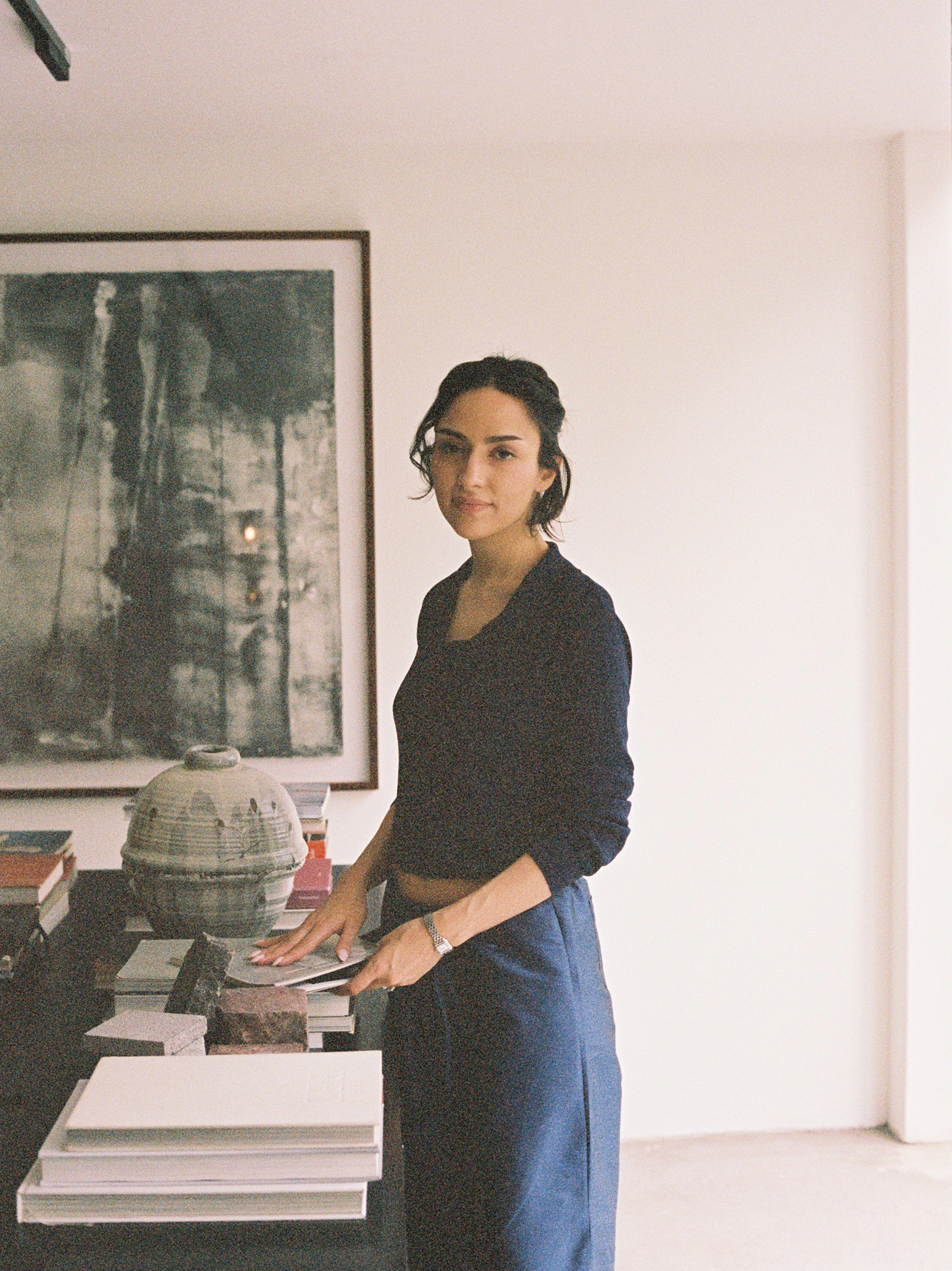
I never planned to start a studio. Evoli came together naturally during the pandemic while I was living with my best friend, Santiago Malberu, who also has his own design practice. We started collaborating because there was a lot of work, but mostly because we trusted each other's perspective. Over time, we each built our own teams, and the people who joined ended up shaping the studio far more than I had imagined. For years we worked without a name, a portfolio or even Instagram. Everything came through word of mouth. I only felt the need to formalise the studio when people started approaching us not just to hire us, but because they wanted to work with us and learn from our way of thinking. That was the moment I realised Evoli had become much more than a collection of projects.
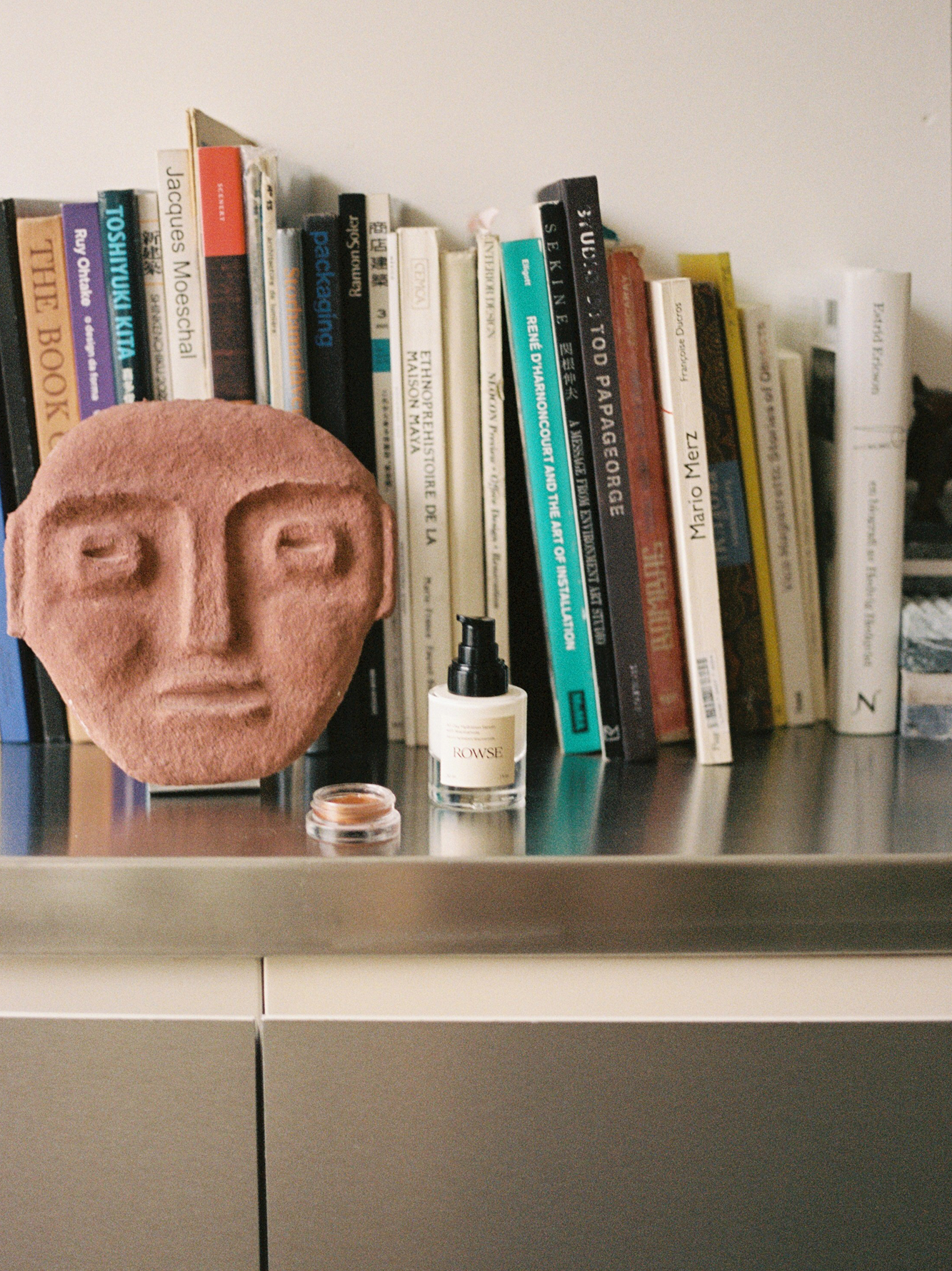
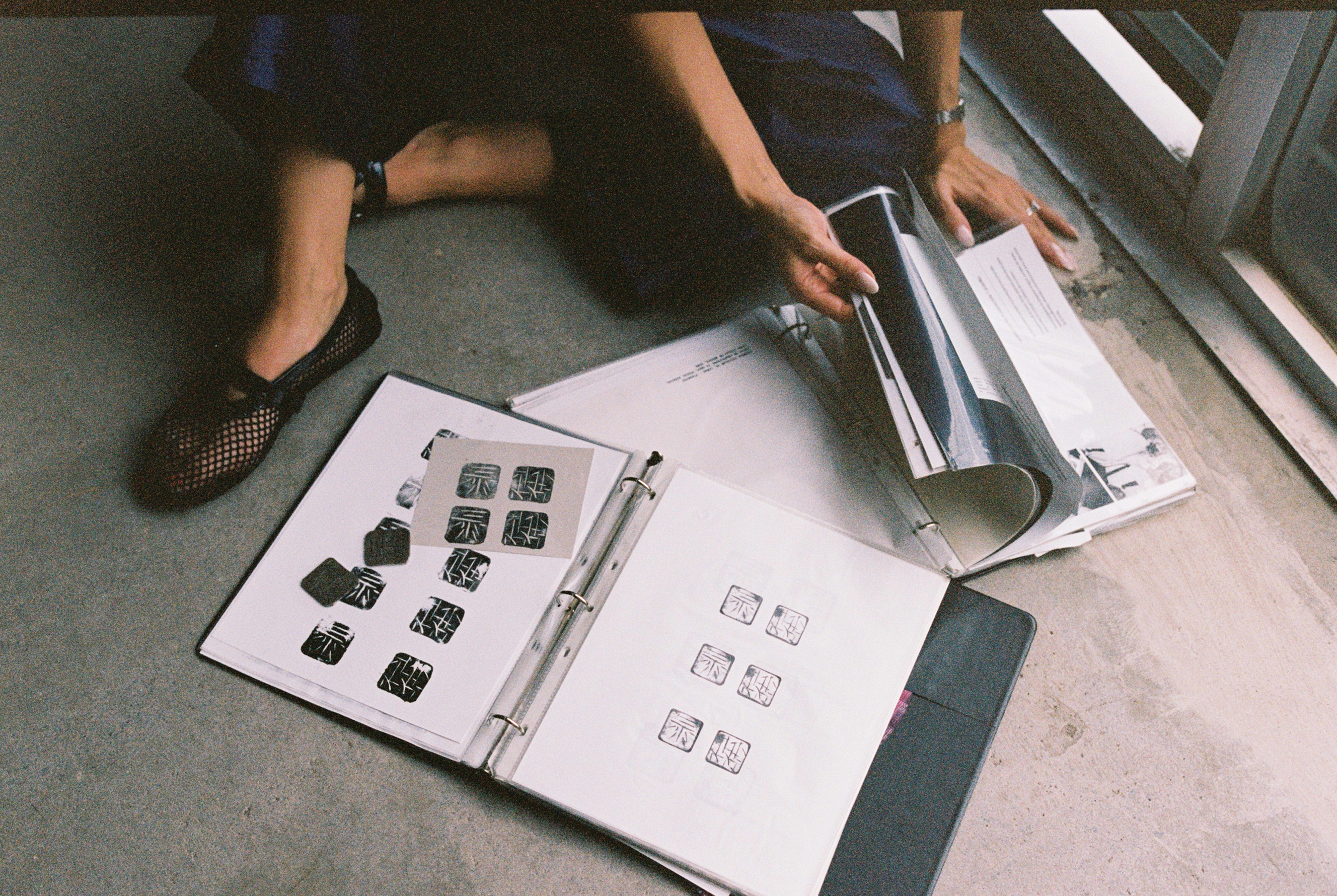
Research is probably my favourite part of the process. We begin by understanding the project and its context, but another important part of the research comes from our own curiosity and personal references. We are constantly collecting books, images and objects, and when a new project arrives, those references start finding their place. Rather than looking for inspiration, we try to understand the world the brand belongs to—or the world it could belong to. Then comes a quieter stage where we stop collecting and start editing. When those connections become clear, the concept naturally appears.
We need to understand how the brand wants to be perceived, what it wants to be associated with and what makes it distinctive. We also care a lot about the person behind the project. Design words like "minimal" or "elegant" mean something different to everyone, so we ask questions that often have nothing to do with design itself: what inspires them, what objects surround them or what they value in everyday life. Those conversations often reveal much more than a creative brief ever could.
The day we stopped improvising the beginning of every project was the day I found peace. We always start by building a timeline. Knowing that a project has a beginning, a process and an end gives us permission to explore ideas without feeling overwhelmed. Our routine gives us structure, milestones and a rhythm we can trust.
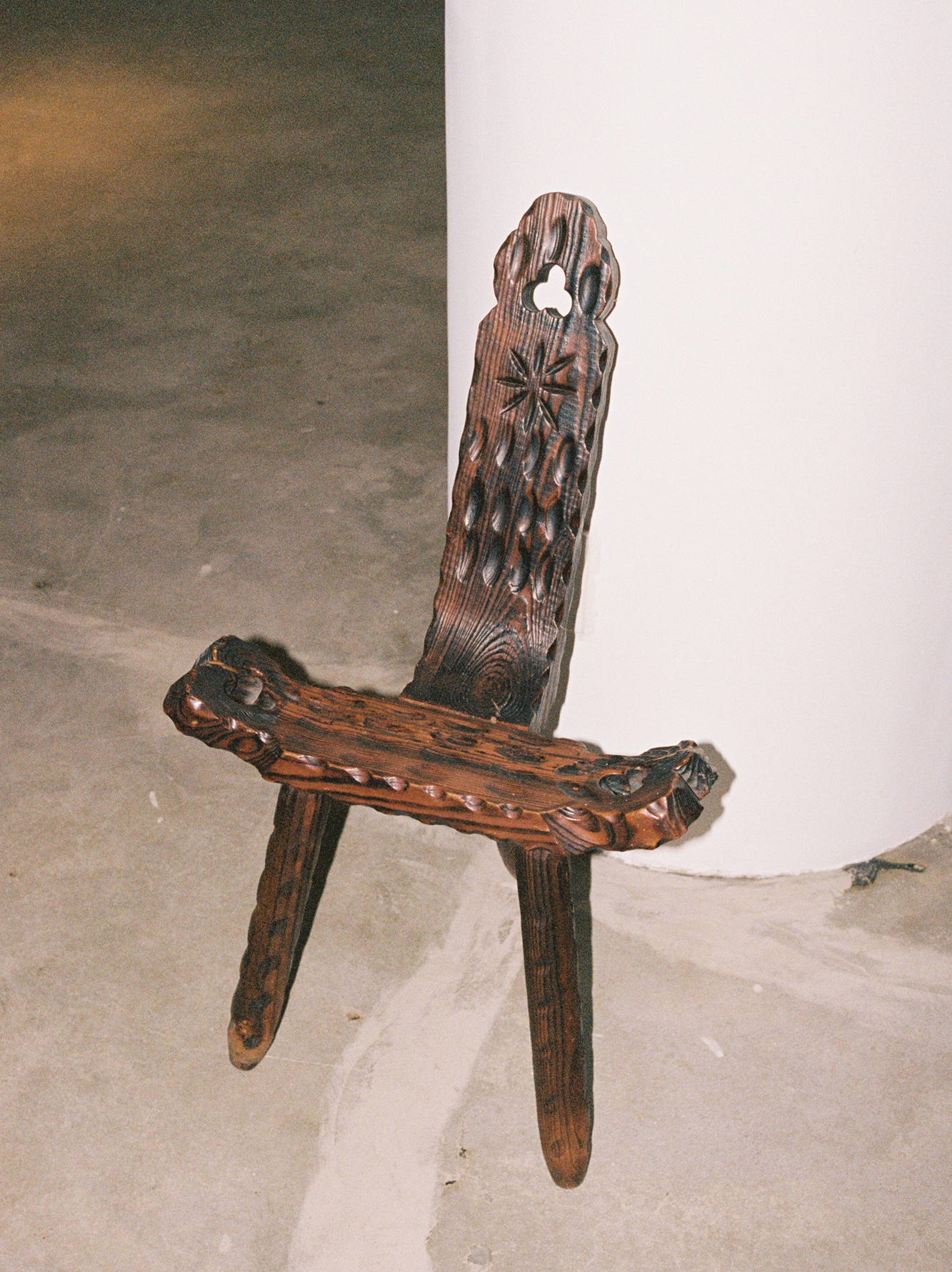
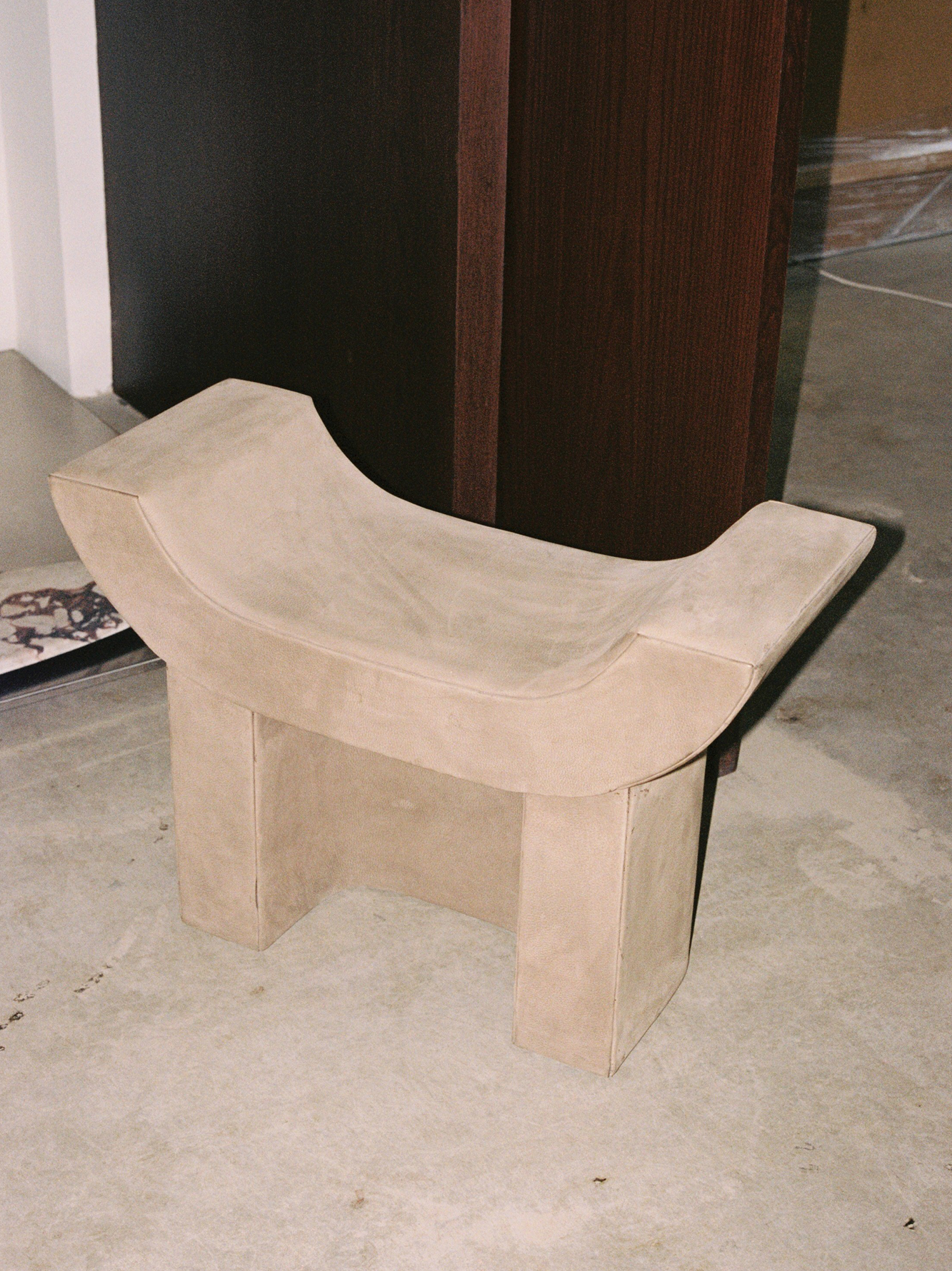
What I love most is that they allow us to take identity beyond the visual. Our studio has always had a very tactile approach, so we're interested in how something feels, the weight of a piece of paper, the texture of a material, the light in a room or the way an experience changes throughout the day. I also love that people physically interact with our work. A menu, a notebook or a hotel pen can become part of someone's memories. That's what interests us most: designing not only what people see, but also what they remember.
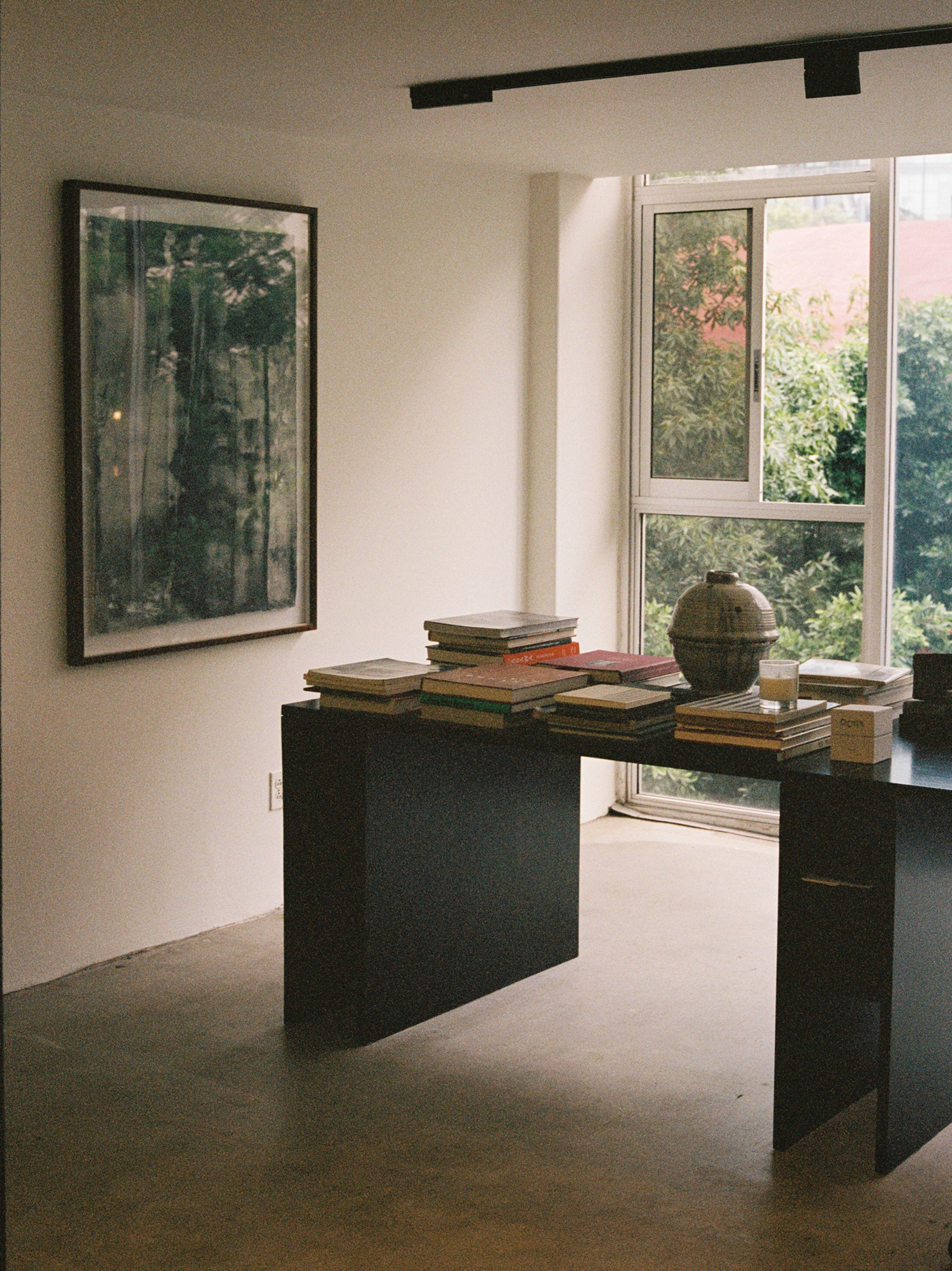
Our studio is in Juárez, right in the centre of Mexico City, where different eras and architectural styles constantly coexist. That visual tension has shaped the way I design. The city has taught me that the most interesting ideas often come from bringing together elements that don't seem to belong together. We constantly share photos of details we notice on our way to the studio—a street sign, a number, a railing, a manhole cover. The city feels like a living archive that continuously feeds our work.The city is a constant source of inspiration. Its mix of eras, styles and contrasts has deeply shaped the way I design. Walking through the city and noticing everyday details has become an essential part of our creative process.
I think the first step is understanding what sits behind that emotion. We're interested in finding the small details that make a memory feel universal. Something as simple as an object, a colour or a texture can unlock a shared experience. Those details become the starting point for creating an entirely new visual universe.
 1.png)
 2.png)